


How come Netflix know what you would like to watch next? It’s not blind luck. It’s algorithms and artificial intelligence. AI in OTT platforms works behind the scenes, delivering viewers the best video content and user experience. And transforming OTT streaming platforms.
Over 3/4 of Netflix users originate from the platform’s suggestions. That’s a massive number. AI algorithms make a new reality for OTT streaming platforms and users.
If you want to learn how to keep up with AI in OTT, below you will find some hints.
What is AI in OTT
In streaming, AI refers to the use of machine learning, analyzing user data, and automation to adapt to viewer behavior and streamline platform performance.
1. How AI Works in streaming services
At a basic level, AI in OTT platforms involves algorithms that analyse massive volumes of user and content data. These systems recognise patterns, learn preferences, and adjust their outputs accordingly. No need for manual programming for each decision.
Key technologies used include:
- Machine Learning (ML). Learns from data such as viewing history, watch time, and interaction patterns to predict what content a user might like next. It learns about user preferences.
- Natural Language Processing (NLP). Understands and processes language in scripts, subtitles, and user queries to improve content tagging and searchability.
- Computer Vision. Analyses visual elements of videos to assist in thumbnail creation, scene classification, and content indexing.
With machine learning algorithms, as well as natural language processing and computer vision, you can get your content creation and delivery to another and much higher level.
2. Core functions of AI in OTT platforms
Artificial Intelligence integrates across various touchpoints of the OTT streaming platform ecosystem:
User behavior tracking
By collecting data on what users watch, how long they watch it, when they watch, and even what they skip, AI builds individual profiles. These insights help tailor everything from content suggestions to interface layouts, creating a more engaging experience.
Automated content tagging and categorisation
AI helps platforms manage large content libraries by automatically generating metadata. For instance, it can:
- Detect scenes or visual themes
- Identify topics, genres, and keywords from dialogue
- Tag emotions, moods, or events within content
This automation not only improves search and discovery but also feeds into recommendation engines.
Real-Time personalization
Unlike static rules, AI algorithms adjust dynamically based on current user behavior. If a user suddenly starts binge-watching a new genre or series, the system updates recommendations and featured content on the fly.
Start your AI-OTT journey with Better Media Suite!
3. Real-life examples
Many top streaming services already rely heavily on AI-optimized streaming.
- Netflix attributes a majority of its viewership – up to 80% to AI-powered content recommendations.
- Amazon Prime Video leverages shopping and browsing behaviour from Amazon’s ecosystem to personalise streaming experiences.
- Disney+ and Hulu use AI to optimise homepage layouts, suggest content, and forecast viewer engagement.
AI personalization
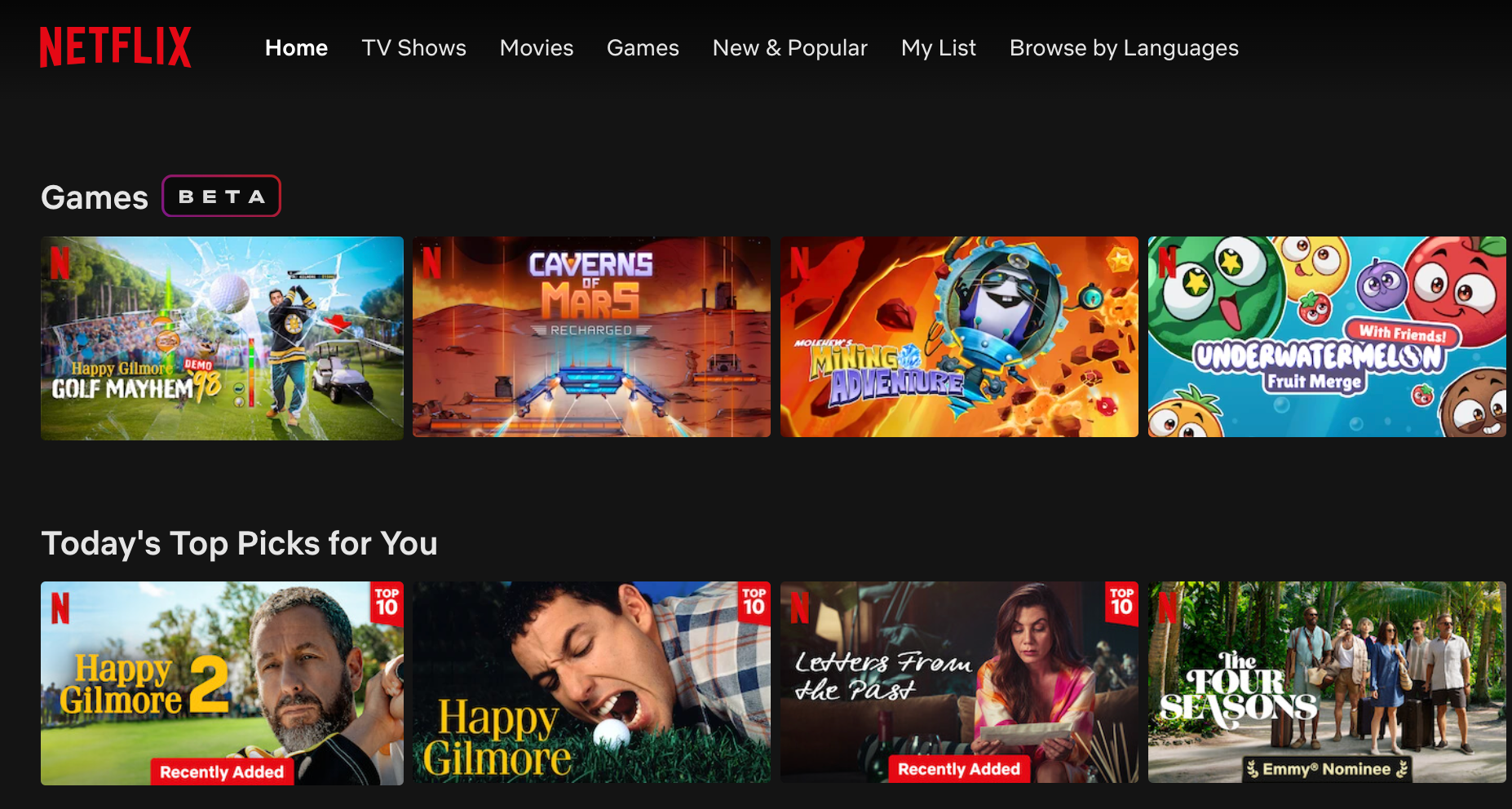
AI is transforming ott, as well as content creation itself. With machine learning models and AI integration, streaming platforms gain an in-depth.
How AI creates a personalised user experience
AI uses smart algorithms to study viewing habits. It means it learns what, when you watch, and how long you stay engaged. Over time, it builds a unique profile for every user based on their preferences and habits.
For example:
- If you often watch comedies at night, the platform might suggest more light-hearted shows during those hours.
- If you skip horror movies after a few minutes, the system will recommend fewer of them.
As the system learns more about you, it updates its suggestions in real time – constantly improving your experience.
Predictive analytics and recommendation engines
To understand how AI algorithms transform OTT platforms, let’s go a bit further.
When you log into your favourite OTT platform, and see the whole list of new potential likeable show, this is how recommendations engines and predictive anlytics work.
What is a recommendation engine?
A recommendation engine is a tool that studies your viewing habits. Then it compares your habits with those of other users to find patterns and suggest content you’re likely to enjoy.
There are two main types:
- Collaborative filtering: Finds people with similar interests and recommends shows they’ve enjoyed.
- Content-based filtering: Looks at what you’ve watched and suggests similar content based on genre, theme, cast, or style.
Most platforms use a combination of both methods to give better and more accurate suggestions.
What is predictive analytics in OTT streaming platforms?
Predictive analytics takes things one step further. It uses past behaviour to anticipate what you’ll want in the future. For example:
- If you often watch comedies after work, the platform might start showing more light-hearted titles in the evening.
- If you always finish thrillers but stop halfway through dramas, it may recommend fewer dramas moving forward.
AI constantly updates your profile in real time, adjusting what it recommends based on your most recent actions.
Thumbnails that change especially for you
Personalisation goes beyond just suggesting content. You may have noticed that sometimes, over time, video thumbnails change. Streaming platforms also use AI to show different thumbnails for the same movie or series, depending on previous user interactions. This way, AI builds user engagement by choosing the most clickable one for a given user.
Let’s say you like romantic scenes; Netflix might show you a love story image from a movie. Because the platforms know your viewing habits. If someone else prefers action, they might see a fight scene from that same film.
This small change can make a big difference in whether you choose to watch something. Such AI-powered OTT solutions have become a solid part of the content strategies of OTT platforms.
Custom watchlists and homepages
Many OTT platforms use this feature to boost user satisfaction as well as improve content discovery. By knowing viewer preferences, AI may suggest some existing content that would likely match one’s tastes. Machine learning algorithms help with the creation of:
- “Top Picks for You” sections
- “Because You Watched...” suggestions
- Personalised Continue Watching rows
These sections are created just for you, so you don’t have to scroll endlessly. The goal is to keep user engagement high by making it easy to pick the next show or movie. With this knowledge, contextually relevant advertisement efforts across AVOD become bread and butter.
Smart context-based recommendations
User engagement metrics do not always come hand-in-hand with their individual preferences. Sometimes, there are other indicators that may influence user behavior.
Some platforms even consider things like:
- Time of day (e.g., short videos in the morning, longer ones at night)
- Device used (e.g., short clips for mobile, full episodes for TVs)
- Location (e.g., trending shows in your country or region)
Training AI models also covers the above aspects. By including them in algorithms, OTT platforms.
Perks of personalisation by AI integration for both users and platforms
| For Viewers | For Platforms |
|---|---|
| Get content that matches your tastes | Boosts engagement and total watch time |
| Spend less time searching, more time watching | Improves click-through rates on recommended content |
| Builds a more enjoyable, personal experience | Reduces churn and increases customer loyalty |
| Discover hidden gems you might have missed | Enables smarter content strategy using viewer insights |
AI-optimized streaming and bandwidth efficiency
AI helps OTT platforms deliver a smooth and high-quality viewing experience while using bandwidth more efficiently. Processing real-time data allows AI to make smart decisions about content delivery based on user conditions.
By integrating AI into OTT platforms, providers can ensure users with high video quality, smooth playback, and a consistent viewer experience, regardless of their connection.
Key benefits include:
- Adaptive bitrate streaming –AI adjusts video resolution automatically based on a user’s internet speed and device capabilities, ensuring minimal buffering with optimal quality.
- Network-aware optimisation – The system detects slow or unstable connections and reduces data usage without compromising visual fidelity too much.
- Smart caching – AI predicts which content will be popular in specific regions and pre-loads it on local servers, reducing delivery time and easing server strain.
- Load balancing – During peak hours, AI helps distribute traffic across servers to avoid lags or streaming drops.
- Cost efficiency – By reducing unnecessary data usage, platforms save on bandwidth expenses while maintaining user satisfaction.
Dynamic ad insertion powered by AI
Dynamic ad insertion (DAI) is an advanced advertising method that uses AI to display the most relevant ad to the right person at the optimal time during a video stream. Instead of serving the same ad to everyone, AI analyses data like viewer behaviour, location, device type, time of day, and content preferences to decide which ads to play for each user.
This approach benefits both viewers and advertisers:
How it works:
- AI identifies the best moments to insert ads without disrupting the viewing experience. It’s not like on TV when the ad break interrupts lovers’ fight and you are left with a brutal cliffhanger.
- Targeted ads mean it select ads based on what’s most relevant to each user, increasing the chance they’ll engage or take action. So it is highly unlikely for you to see a dog food ad if you don’t have any pets.
- Ads are delivered in real time, meaning two viewers watching the same show could see completely different ads.
Key benefits:
- More relevant ads – viewers are less annoyed because the ads feel personalised.
- Higher ad performance – advertisers get better results from targeted campaigns.
- Increased revenue – platforms earn more from ads that are more likely to convert.
- Smooth experience – AI ensures ads load quickly and match the content flow.
Localisation and dubbing AI algorithms
Learn audience preferences and personalise their experience on your OTT platforms. With Better Media Suite, you can benefit from in-depth audience analytics and start creating targeted ads.
AI is transforming OTT platforms and content optimisation. Instead of relying on slow and costly manual methods, AI automates much of the translation and dubbing process. This allows content creation that feels natural and relatable in different languages.
Here’s how AI improves localisation and dubbing:
- Translates scripts quickly while keeping the original meaning and tone intact.
- Creates lifelike voiceovers that match the emotions and style of the original audio.
- Aligns dubbed voices with the actors’ lip movements to make the watching seamless.
- Adjusts cultural details like jokes and expressions so they resonate locally.
- Speeds up the release of shows and movies in multiple languages simultaneously.
- Cuts costs by reducing the need for large dubbing teams and extensive manual editing.
Thanks to AI, OTT platforms can reach global audiences faster and more cost-effectively, all while maintaining high quality.
Privacy protection and fraud detection
AI is increasingly important in helping streaming platforms fight fraud and piracy, protecting both content and users. These smart systems monitor patterns and behaviours to spot anything unusual or suspicious. By doing this, AI can prevent unauthorised access, reduce revenue loss, and keep the platform safe and trustworthy. Here are some key ways AI contributes:
- Real-time monitoring – AI tracks user interactions continuously to detect unusual behaviour like multiple logins from different and unusual locations or devices.
- Fraud prevention – it identifies potential account sharing, stolen credentials, or fake accounts before they cause harm.
- Piracy detection – AI scans the internet and social media for unauthorised copies of content to quickly flag and remove pirated material.
- Automated alerts – when suspicious activity is detected, AI algorithms can instantly notify platform operators to take action.
- Pattern recognition – machine learning helps AI improve over time by learning new fraud and piracy tactics.
By using AI for fraud detection and anti-piracy, OTT platforms can protect their content, increase revenue security, and provide a safer experience for viewers. It means that content stays on OTT platforms only, and user data is safe.
AI live streaming
There are many ways AI is transforming the OTT industry. One of them applies to live streaming.
Whether it’s a YouTube Live session, a Twitch gaming stream, or a global webinar, AI works behind the scenes, enabling platforms to improve quality and scale performance without manual effort.
Here’s how AI is making live streaming smarter and more efficient:
- Real-Time video Optimisation – AI use adaptive bitrate streaming, which means it adjusts video resolution automatically based on the viewer’s internet speed and device. So no more lags and buffering.
- Live subtitles and translation – tools like Google Meet and Facebook Live now use AI to generate captions in real time. These features make content more accessible to viewers with hearing impairments and allow international audiences to follow along in different languages. This way, content providers can maximize user engagement across the world.
- Automated content moderation – during high-traffic streams, like influencer Q&As or product launches, AI-driven moderation filters out spam, offensive language, or harmful visuals, keeping the stream safe and on-brand without needing a large moderation team.
- Smart camera control – in professional broadcasts, such as live news or conferences, AI-powered cameras can automatically track speakers, adjust focus, or switch angles without a human operator, reducing production costs and improving consistency. It keeps OTT platforms’ budget on track and delivers high-quality content at the same time,
- Audience insights – platforms like Twitch and YouTube use AI to analyse engagement metrics. It means chat activity, viewer retention, and peak moments. This way, creators can better understand what resonates with their audience. And deliver it.
Summing up
AI is transforming OTT platforms. It is undeniable. The OTT market is changing and adapting to a more and more personalised and user-centric market.
By using data-driven insights and automation, platforms can offer more engaging, efficient, and scalable streaming experiences. As AI continues to evolve, it will remain a main force behind how we discover, consume, and interact with digital content worldwide. Choose an OTT platform wisely to stay on track. Explore Better Media Suite and benefit from AI and OTT platforms synergy.
FAQ
Yes. OTT platforms use AI to personalise recommendations, improve search, optimise streaming quality, detect fraud, and even localise content for global audiences.
Netflix applies AI to recommend shows, personalise thumbnails, optimise streaming quality, and decide what new content to produce based on viewing trends.
No. AI supports and automates many processes but still works alongside human teams for strategy, creativity, and content decisions.