

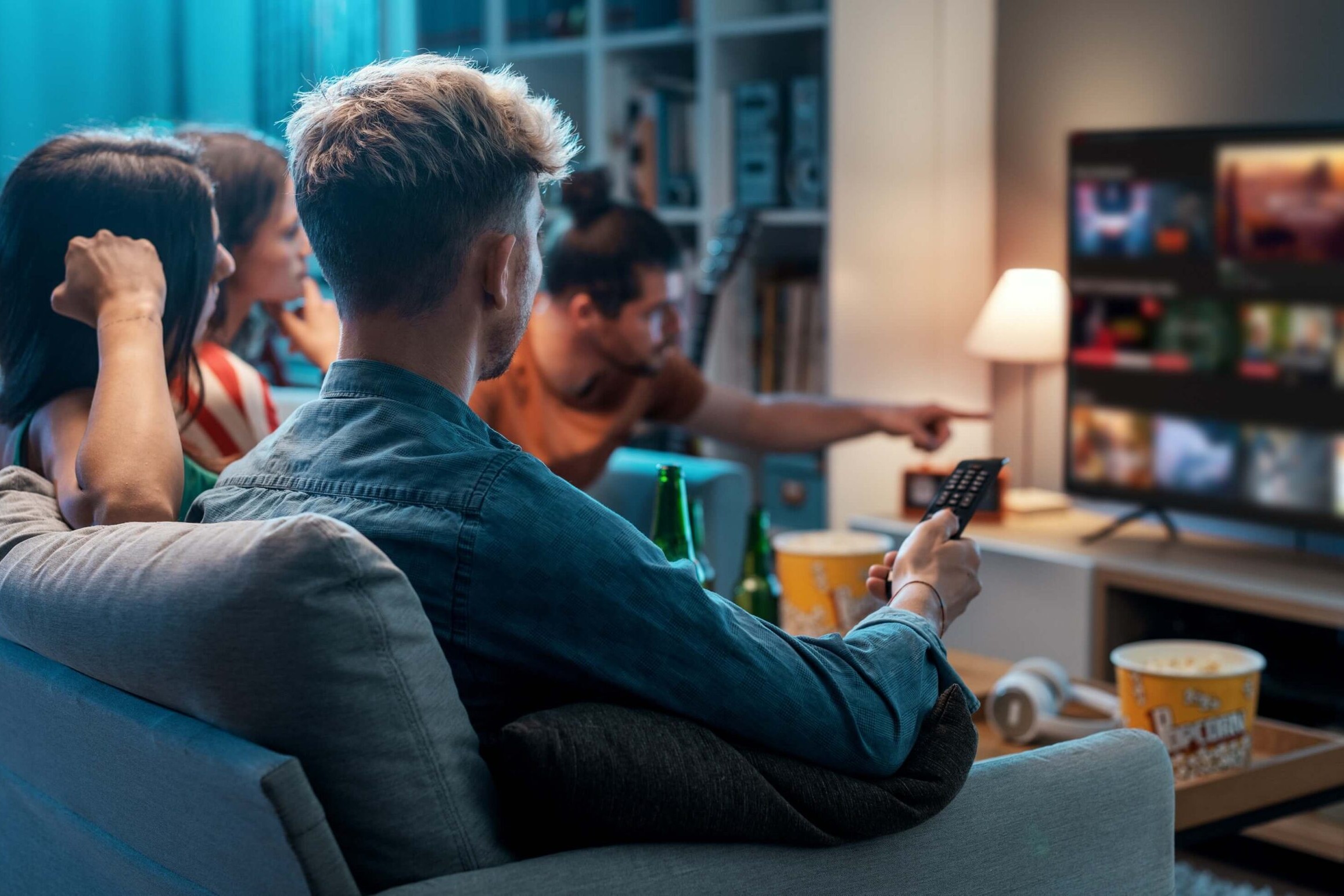
Streaming is no longer just passive viewing; it is about active engagement and layered experiences. Today’s audiences expect to interact with content, participate in decisions, and use multiple appliances while watching. Recent research shows that about 86 % of internet users use a second screen while watching a video program, highlighting how widespread multi-device behaviour has become.
This shift toward multitasking and interconnected experiences is driving streaming services to innovate with interactive features and second-screen integrations that deepen engagement and open new creative and business opportunities.
What is the role of second screens and interactive video features?
Interactive and second-screen experiences are designed to turn viewers into active participants. Instead of just pressing play and watching, users can engage, respond, explore, and influence what happens on screen.
Here is how they differ:
- Interactive elements happen inside the video player itself. The viewer interacts directly with the content.
- Choose your own storyline or alternate endings
- Vote irl during live shows
- Click on products inside a scene
- Answer quizzes or unlock bonus content
Putting this in simple terms, an interactive video offers more engagement options and keeps your viewers on the edge of their seats.
- Second screen experiences happen on a separate device, usually a smartphone or tablet, while the main content plays on a TV or desktop.
- Live stats and player data during sports events
- Fan chats and social feeds synced with live broadcasts
- Companion apps with polls and predictions
- Behind-the-scenes content available irl.
In simple terms, interactive video elements change what happens on the main screen. Second-screen features enhance the experience around it.
Both tools/approaches help streaming platforms increase engagement, keep viewers watching longer, and create more touchpoints beyond the video itself.
Why interactive experiences are reshaping streaming
Interactive features are no longer experimental add-ons. They are becoming a strategic layer that helps streaming platforms compete in a crowded market. When viewers can participate instead of just watching, the relationship with the platform changes. It becomes more dynamic, more personal, and more memorable. And built a higher satisfaction.
Boosted user engagement
Engagement today is measured by more than clicks and completion rates. It is about attention, participation, and emotional involvement.
Interactive formats make viewers feel included:
- Real-time voting during live shows or sports games
- Polls that influence outcomes
- Branching storylines where users choose what happens next
- Trivia, quizzes, and prediction games synced with live broadcasts
Gamification mechanics, such as points, leaderboards, and rewards, add another layer. Viewers are not just consuming content; they are competing, reacting, and interacting. That active involvement naturally increases time spent on the platform and strengthens brand loyalty.
Increased watch time and retention
When content adapts to the viewer, it feels more relevant. Personalised experience combined with interaction keeps audiences curious about what comes next.
Interactive formats can:
- Extend session duration through decision-based storytelling
- Encourage repeat visits to see alternative outcomes
- Reduce churn by offering unique, non-passive experiences
- Create event-based viewing habits, especially during live streams
Instead of simply finishing an episode, viewers might rewatch it to explore different paths. That repeat engagement directly impacts retention metrics and long-term subscriber value. And what is also crucial, it boosts user satisfaction.
Monetization opportunities
Interactive streaming also opens new revenue streams beyond traditional subscriptions and ads.
Examples include:
- Shoppable video experiences where viewers can purchase products directly from scenes
- Premium interactive tiers with exclusive features or alternate storylines
- Sponsored polls, branded mini games, and integrated brand experiences
- Data-driven upsells based on real-time user behaviour
Because interaction generates richer behavioural data, platforms can better understand preferences and tailor offers more effectively. That leads to smarter monetisation without disrupting the user experience.
Interactive and second-screen strategies require reliable infrastructure, low latency, and seamless synchronisation across tools. With Better Media Suite, streaming providers can deploy scalable interactive modules, real-time engagement tools, and second-screen integrations without rebuilding their entire platform.
What is the drill about the second screen experience?
It is no longer a distraction; it is part of how people naturally consume content. Allowing users to focus on multiple screens. While a show or live event plays on the TV, users’ phone is already in their hands. Instead of fighting this behaviour, streaming platforms can design experiences around it.
Multi-device consumption trends
The smartphone has become a built-in companion to streaming. People check stats, scroll social feeds, message friends, and look up actors while watching. It plays a crucial role while watching any type of content.
Typical second-screen habits include:
- Browsing social media during live streams
- Looking up background information about characters or players
- Searching for products seen on screen
- Messaging friends about key moments and commenting on them (sometimes, there could be live discussions)
- Looking for curated recommendations regarding a particular content type
Life-based example:
During a live football match, a viewer watches the game on their TV while checking live player statistics on their phone. When a controversial goal happens, they immediately open X or Instagram to see reactions. The second screen is not competing with the stream; it is extending the experience.
Social media integration plays a key role here. When platforms allow easy sharing, real-time reactions, or synced content feeds, they stay part of the conversation instead of losing attention to external apps.
Real-time community engagement
Second-screen behaviour becomes even more powerful when it connects viewers.
Features that support this include:
- Live chats during sports matches or premieres
- Fan surveys that appear during key moments (answering questions boosts engagement)
- Real-time predictions and score guesses
- Interactive video Q&A sessions during live streaming
Life-based example:
During a talent show finale, viewers vote through a mobile app while watching performances on TV. They also see live voting percentages and comment streams. Instead of passively waiting for results, they feel involved in shaping the outcome. It is a simple recipe for higher engagement
This sense of shared participation increases emotional investment. Viewers are more likely to stay until the end and return for the next event.
Data-driven personalisation
Second-screen platforms also generate valuable behavioural data. Every click, vote, prediction, and interaction provides insight into user preferences.
Companion apps can collect:
- Favourite teams, genres, or contestants
- Interaction frequency during specific content types
- Purchase intent signals from shoppable features
- Engagement peaks during live moments
Life-based example:
If a viewer consistently checks player stats and participates in sports predictions, the platform can recommend more live sports games, fantasy integrations, or premium sports packages. The experience becomes more tailored without feeling intrusive.
When used responsibly and transparently, this data helps platforms refine recommendations, improve content strategy, and design smarter interactive features.
Second-screen behaviour is not a trend that will fade. It reflects how modern audiences naturally engage with media. Streaming services that align with this reality can create deeper engagement, stronger communities, and a more personalised experience
Interactive video and second screens: use cases in sports, entertainment, live events
Interactive and second-screen features vary by content type. The good news is they are flexible. Whether the focus is live sports, reality shows, or scripted series, there are practical ways to integrate engagement without overwhelming the viewer.
Below are some of the most effective real-world use cases.
Sports streaming
Sports are naturally interactive. Fans want stats, analysis, predictions, and community reactions in real time. Second-screen experiences allow viewers to do that.
Common use cases:
- Live stats dashboards synced with the match
- Player performance comparisons
- Real-time surveys such as “Who will score next?”
- Fantasy league integration
- Interactive heat maps, replay angles
- Adding clickable hotspots
- In-stream betting integrations are legally allowed
Example:
A viewer watches a basketball game on their smart TV. On their phone, they track live player stats and participate in a prediction poll before halftime. When their predicted scorer makes a three-point shot, they receive points in the companion app. The match becomes more immersive and personal.
For sports platforms, this increases session time and creates multiple monetisation touchpoints.
Reality TV and Talent Shows
Reality formats thrive on audience participation. Voting, commenting, and predicting outcomes are already part of the culture. Adding interactive elements makes streaming content smoother and more integrated.
Practical features include:
- In-app voting during eliminations
- Live sentiment tracking
- Real-time comment feeds
- Audience challenges or bonus content unlocks
- Behind-the-scenes camera angles
Example:
During a singing competition finale, viewers vote directly in the streaming app instead of using external SMS systems. They can also watch backstage reactions on a second screen while the main performance continues on TV. The experience feels layered and immediate.
For platforms, this strengthens emotional investment and reduces the risk of viewers switching apps.
Scripted Content and Series
Interactive storytelling works especially well for scripted content when used thoughtfully. It does not need to be complex to be effective.
Possible formats:
- Branching narratives with viewer choices
- Alternate endings
- Character-focused bonus content
- Interactive timelines or story maps
- Scene-based product discovery
Example:
A crime series allows viewers to choose which suspect to follow during a key episode. Depending on the choice, they unlock different scenes and clues. Some viewers rewatch the episode to explore alternate paths. This naturally increases engagement and replay value.
When done well, interactive content can differentiate a platform without requiring entirely new production models.
| Streaming content type | Interactive focus | Viewer benefit | Business impact |
|---|---|---|---|
| Sports | Live stats, predictions, fantasy | Real-time immersion | Higher watch time, sponsorships |
| Reality shows | Voting, live surveys, chat | Participation in outcomes | Strong retention, premium tiers |
| Scripted series | Branching stories, bonus content, clickable hotspots | Personalized storytelling | Replay value, differentiation |
Final thoughts
Interactive and second-screen experiences are reshaping how audiences engage with streaming. Viewers expect more than passive watching; they want to participate, react, and explore content across devices. All of these at their own pace.
When implemented thoughtfully, these features:
- Increase engagement and watch time
- Improve retention
- Strengthen viewer loyalty
- Create new monetisation opportunities
- Support higher conversion rates
The goal is simple. Make interaction feel natural and valuable, not distracting. Platforms that do this well gain a clear competitive edge.
Start streaming content at the highest level. Embrace interactivity and create more engagement across your audience.
FAQ
No, most interactive and second-screen features can be integrated through modular tools and APIs. With the right infrastructure partner, platforms can add engagement layers without disrupting their core streaming setup.
Not if they are designed thoughtfully and aligned with viewer expectations. When interaction enhances the story or live event instead of interrupting it, it strengthens engagement rather than reducing it.