

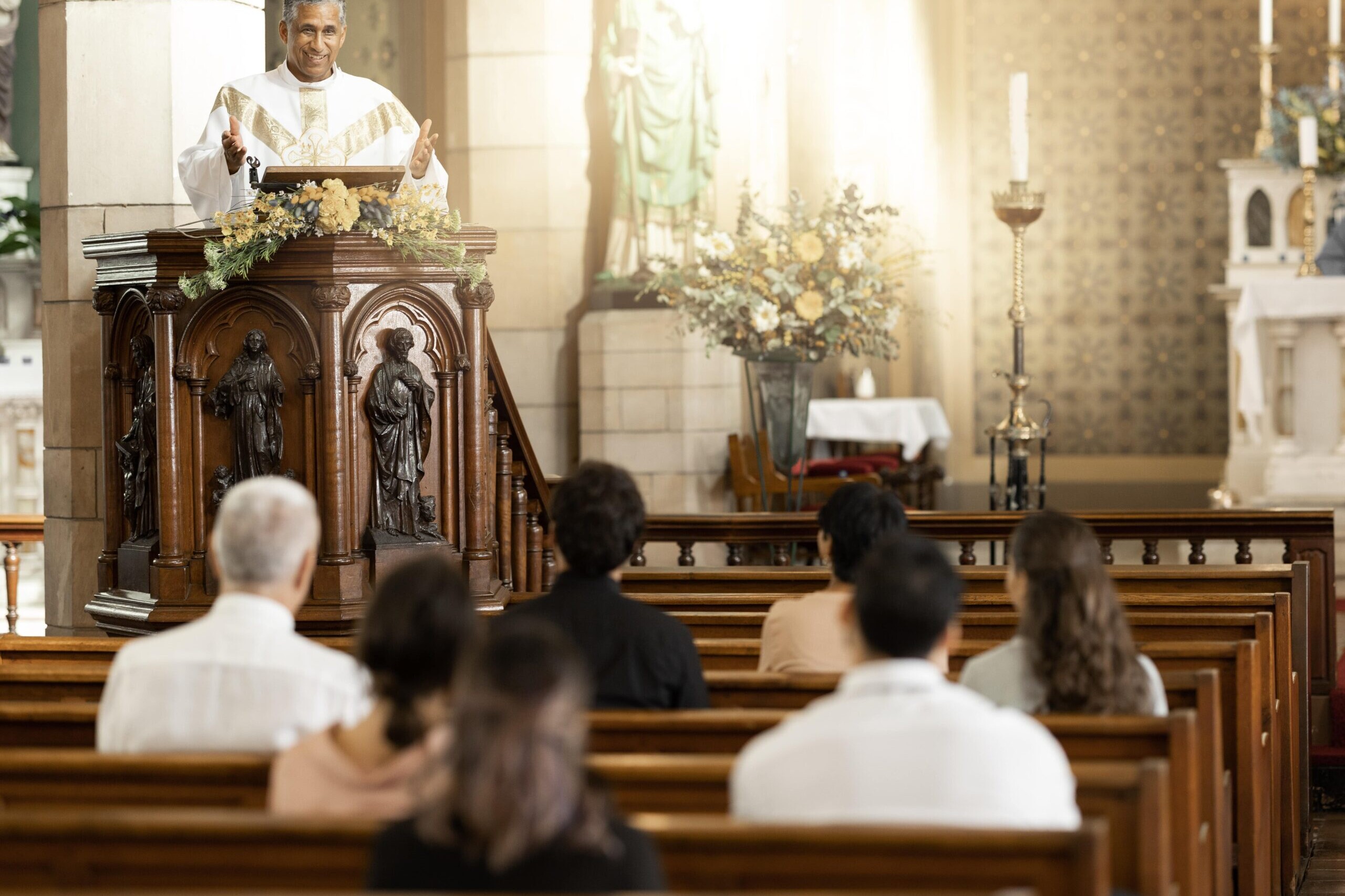
For generations, the church building was the primary place people gathered for worship and community. Today, your congregation also gathers online – watching, learning, and connecting through screens on their own time. This isn’t a challenge to overcome; it’s a new opportunity for ministry.
Through Over-The-Top (OTT) platforms in churches, sermons, devotionals, and events can be shared directly online without depending on social media or cable networks. These platforms help reach people who can’t attend in person, offering worship that’s accessible from home, hospital, or abroad.
The rise of live streaming and OTT in faith communities reflects a broader shift – one that expands the reach of worship while raising new questions about community, presence, and the meaning of gathering in a digital age.
From pews to pixels: church live streaming solutions
Churches have always adapted to new ways of reaching people. Decades ago, sermons aired on the radio and later found their way onto television. Families would gather around a set on Sunday morning, listening to the same messages they might hear in person. It was the start of something bigger – a hint that worship could exist beyond the church walls of a building.
Fast forward to today, and that idea has moved to our phones, laptops, and smart TVs. Live streaming isn’t just a backup plan anymore; it’s part of how many people practice their faith. With on-demand access, someone can watch a sermon while commuting, during a lunch break, or from another country entirely.
Surveys show that online worship attendance continues to grow, especially among younger audiences and those who have moved away from their home churches. For many, digital access keeps them connected to the communities that shaped them.
What’s changed isn’t the message – it’s how people gather to hear it. The digital congregation is no longer limited by geography. It’s built on the same values of faith, connection, and shared experience – just through a different kind of gathering space.
Church streaming platform – why it’s worth it
A streaming platform is simply a way to share video over the internet – like Netflix or YouTube, but customised for your own content. For churches, it’s become a simple and reliable way to share worship beyond the building.
With an OTT setup, a church can stream live services, upload past sermons, or create a library of devotionals and events. Members can tune in whenever they want – whether that’s Sunday morning or Wednesday night after work. It gives people more ways to stay connected, especially those who can’t attend in person.
Some churches take it further by adding subtitles, language options, or chat features during live streaming sessions. These small touches help people feel seen and included, no matter where they’re watching from. By using live streaming, church services may become more inclusive.
Of course, not every church has the same resources. Big ministries might build their own streaming platforms, while smaller ones often start with affordable, plug-and-play tools. The good news is that anyone can begin at their own pace.
At the heart of it all, streaming platforms aren’t about replacing the church experience – they’re about extending it. They make it easier to reach more people, share messages widely, and keep faith within easy reach.
Discover how Better Media Suite can serve your congregation
Faith, media, and… monetisation
Even though the combination of church services and money may seem a bit controversial, it is a way to expand ecclesiastic budgets. As churches stream more content, the question of sustainability naturally follows. Beyond sermon recordings and live worship, many ministries now manage digital libraries, subscription models, and audience engagement tools. The challenge: how to cover costs without compromising trust or mission.
The financial reality of digital industry
- Streaming costs add up. Hosting, equipment, bandwidth, and licensing are recurring expenses.
- Volunteers can’t do it all. Media production, editing, and archiving often require trained staff or reliable tools.
- Transparency matters. Congregants value honesty about how online donations or subscriptions support outreach. Show people how you use the money by upgrading the quality of live streaming, and show some behind-the-scenes, e.g. via social media platforms.
Funding models churches use today
- Donation-based access. Viewers stream for free, with optional tithes or “support this broadcast” links. This way, they can participate in a church community even more.
- Streaming platforms subscription. Some ministries offer premium access for conferences, teaching series, or archives.
- Sponsorships and partnerships. Careful collaborations with ethical sponsors – avoiding commercial distractions during worship. This way, church services may collaborate with trustworthy brands.
- Event paywalls. Used sparingly for ticketed events like concerts or workshops.
Ethical boundaries and audience trust
- Keep spiritual content free whenever possible.
- Make clear distinctions between ministry resources and monetised extras.
- Avoid interruptive ads or product placements during services.
- Reinforce that digital revenue serves mission goals, not profit motives.
Better Media Suite: a practical bridge
Better Media Suite may be a toolkit for faith-based streaming management that respects both ministry integrity and operational needs. It supports:
- Secure video hosting without intrusive ads (ad-free streaming).
- Integration of donation portals directly into the HD video player, no redirects.
- Subscription tiers for church events or sermon archives.
- Real-time analytics dashboards that track viewer engagement while maintaining privacy.
- Volunteer-friendly editing tools designed for small media teams.
Better Media Suite functions less like a commercial OTT service and more like a ministry assistant, built to help churches communicate faithfully and stay financially stable.
The balance to aim for
Sustainability should serve outreach, not overshadow it. The healthiest models combine:
- Transparent stewardship.
- Accessible and reliable content delivery for all audiences.
- Ethical use of multiple monetization models and tools.
- Regular communication about how digital income supports faith community programs.
The streaming platform is a tool that may help to build your online community, keep them involved in special events and share with them educational content.
Technology and theology: live streaming church services
When churches move online, every camera angle, caption, and upload becomes part of their witness. Technology isn’t just a delivery tool – it shapes how the message is received. The goal is to make media serve the mission, not the other way around.
Keeping the message authentic
- Stay true to the sermon. Streaming platforms should extend the pulpit, not replace it. Church members still would love to come and participate in worship services.
- Avoid performance pressure. The focus is on connection and clarity, not production flair.
- Check tone and language. Consistency in speech, music, and visuals keeps the message recognisable to members and visitors alike. Such live streaming events should still sound and feel like the Sunday services, which they are.
- Review before publishing. Having a small review team ensures theology, captions, and context are accurate before going live.
Finding the balance: worship or show?
- Quality matters, but simplicity works. Clear audio and lighting help more than flashy effects. It’s a church service, and there should be no buzzing or bugs while people are trying to focus.
- Let worship lead. Encourage musicians, pastors, and media teams to remember that viewers seek a worship experience, not entertainment. Live streaming church services should focus on the message, but also the atmosphere and the community feeling.
- Keep interaction sincere. Comments and chat functions can build community when handled with warmth and care. Religious streaming should
Guiding digital discipleship
- Pastoral presence online. Even through screens, members need to feel guided and seen. Regular digital check-ins or online prayer sessions help sustain that bond.
- Encourage participation. During church service, invite people to read scripture, submit prayers, or lead small online studies.
- Use live streaming tools with purpose. Platforms like Better Media Suite allow pastors to manage devotionals, track engagement, and moderate discussions in one place – making discipleship easier to organise and follow up. With such solutions, you can even create custom pricing or deliver extra materials like sermon notes or detailed insights on certain services.
Aligning media with mission
- Start with the message, then choose the medium. Each upload should answer: Does this deepen understanding, compassion, or connection?
- Plan for inclusivity. Add subtitles, translations, or sign language to welcome everyone. Your streaming platform should make church services inclusive and easy to join.
- Keep a record. Digital archives provide a live streaming library of sermons and testimonies for future reference and learning.
Using technology as a ministry partner
Live streaming services can help churches:
- Maintain consistent branding and message across channels.
- Store, schedule, and stream content securely.
- Offer private sermon libraries for bible studies.
- Reach a broader audience.
- Manage feedback and chat features in a safe, moderated space.
The best digital ministry blends sound theology with thoughtful media use. Church events are where faith leads, and technology follows.
Church live streaming – where to start
A digital ministry that lasts isn’t built overnight. It grows through steady habits, realistic planning, and a clear sense of purpose. The goal isn’t to “go viral”. It’s to stay consistent, serve people well, and make faith content easy to access for anyone, anywhere.
Plan with intention
- Start small, grow steady. Begin with one or two weekly broadcasts before adding more. You don’t have to deliver all religious services online from day one.
- Create a simple schedule. A content calendar helps the team know what’s coming next – sermons, devotionals, or special church events. Make your religious streaming platform a place worth following.
- Keep messages connected. Make each video part of a larger teaching theme, so viewers can follow along week to week. This way, your online church services become video assets for your congregation.
- Prepare for both live and on-demand content. Record church services for members who can’t join in real time. This way, your online congregation would be able to follow recent seminars and sermons.
Protect the religious content
- Respect copyrights. Always confirm you have permission for music, images, or readings used in your video content.
- Safeguard privacy. Ask before showing children or personal stories on screen. A live recording should always be announced.
- Create a video storage and back up your files. Store recordings safely, both online and offline, to protect your ministry’s digital history.
Equip and support your media team
- Train with care. Even volunteers can learn camera basics, lighting, and editing through short workshops. Some religious organizations may support you in training your teams.
- Rotate roles. Giving people breaks prevents burnout and keeps enthusiasm high. After a while, your online congregation will grow, providing plenty of people to choose from.
- Encourage feedback. Ask the team what’s working and what feels overwhelming. Talk about worship services and special events, and learn from previous mistakes.
- Celebrate small wins. Finishing a successful live stream is worth a thank-you or team prayer. Church streaming services are built by people, not the platform solely.
Use the right live streaming platform
Good tools save time and reduce stress. They help churches manage all aspects of live streaming in one place.
It offers:
- Easy upload and scheduling – no technical background required.
- Secure hosting with privacy controls for members-only content.
- Built-in donation options and event ticketing when needed.
- In-depth content and user-level analytics that show which sermons people watch most, without collecting unnecessary personal data.
- User-friendly interface for quick edits or uploads.
By using a single, organised streaming platform, churches can focus more on ministry and less on troubleshooting.
Engagement measurement
- Look beyond numbers. Views are helpful, but comments, prayer requests, and follow-up messages show a deeper impact. Church live streaming platforms.
- Ask for stories. Encourage members to share how the online service helped them – that’s the real feedback that matters. A religious streaming platform should be a safe place where people can share anything.
- Adjust gently. Use insights to improve camera angles, sound, or timing, but keep the heart of the message intact.
Keep the spirit central
- Remember the purpose. A live streaming platform is a tool, not the mission itself.
- Build community, not just content. Encourage people to connect offline too – through local gatherings, service projects, or study groups. You can stream live church services, but you can also deliver the community spirit via the internet.
Think long term
- Budget yearly. Set aside funds for upgrades, repairs, and digital licenses. If you want to benefit from flexible monetization options, establish tiers for at least a basic plan and a premium plan.
- Train successors. Teach younger members how the system works so the ministry continues smoothly. This way you can even educate your own reliable tech support.
- Review regularly. Once a year, reflect on what’s been learned and what could be simplified. Live streaming solutions change and grow, so you can deliver ever better qualities to your congregation.
Live streaming church services – summing up
When it comes to live streaming services and the spiritual word, you should keep in mind that there is a greater good in this. And it’s not about replacing paws with screens.
Faith communities now reach homes, hospitals, and hearts that once sat beyond their walls. The real goal isn’t perfection on camera but presence in people’s lives.
That’s where church streaming platforms come in handy. Better Media Suite makes a quiet but vital difference, giving churches the power to share worship simply, manage media with ease, and focus fully on ministry instead of technology. In a world where faith travels through screens, Better Media Suite helps keep it grounded, genuine, and within reach.
FAQ
When it comes to church streaming software, there is no one choice. Some use a dedicated streaming platform like Better Media Suite, and some rely on free solutions like YouTube or Facebook.
In today’s context, a church platform usually refers to an online system or streaming platform that helps manage digital ministry. This can include:
- Live streaming of worship services.
- Hosting recorded sermons or devotionals.
- Online giving or tithing tools.
- Member engagement features like chat, prayer requests, or small group pages.
- Analytics and scheduling tools to manage broadcasts and content.
A church streaming platform is a tool that allows live streaming of church services, like masses or Bible study sessions. A streaming platform may also be a tool that can help with sharing educational content and keep church attendees in the loop with the church live.