

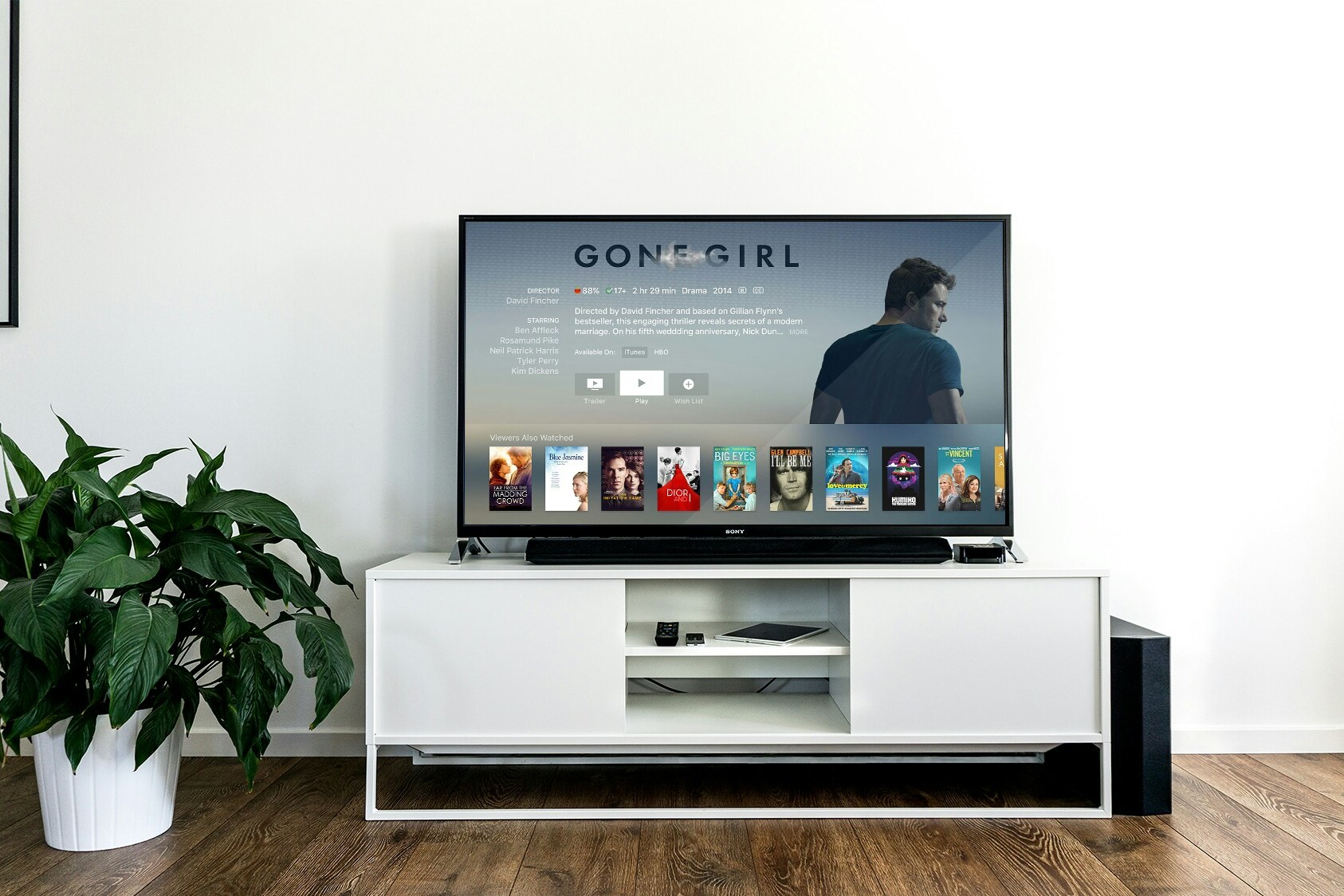
Can you imagine a world without movies? No satellite TV, no VODs, no cinemas. Hard thing to do.
Fortunately, you don’t have to worry about this worst-case scenario. Nowadays, with OTT services and IPTV services, your favourite video content is just one click away.
All you need is to be online. No cable box, no satellite dish, just pure entertainment streaming seamlessly to your mobile or TV screen. IPTV and OTT are changing the way we watch content forever. But what exactly sets these two streaming giants apart, and why does it matter for your viewing experience? In this article, we’ll break down the IPTV vs OTT case to help you catch the difference.
What is IPTV?
IPTV stands for Internet Protocol Television, which is a way to watch “traditional” TV using the internet instead of old methods like cable or satellite. TV signals don’t go through cables or airwaves; IPTV services deliver shows and movies over a private internet connection. This means you can stream live TV channels or watch videos whenever you want, right on your smart TV, computer, or mobile phone.
To use IPTV, you usually need a special device called a set-top box or an app that helps you access the content. Because IPTV works via a controlled, closed network, it often provides high-quality streaming with fewer interruptions compared to regular internet-based streaming.
One of the great things about IPTV is that it offers extra features like pausing live TV, watching shows on demand, or recording your favourite programs. This makes it more flexible and convenient than traditional TV services.
In short, an IPTV provider allows you to enjoy video content smoothly and with more control over how and when you watch. The only box to check – internet access.
What is OTT?
OTT stands for Over The Top and allows you to access audio and video content through the internet without using traditional TV services like cable or satellite. Instead of relying on special cables or satellite devices, OTT providers give you shows, movies, and live TV directly over the open internet.
With an OTT platform, you can watch your favourite programs on many devices, including smart TVs, smartphones, tablets, computers, or streaming services like Roku or Apple TV. There are different types of OTT services: pay-per-view, where you pay to watch a given episode, and subscription models like Amazon Prime Video or Netflix, where you pay a monthly fee to access a large content library. Others are free but show ads, like Pluto TV or Tubi. Some OTT streaming even offer live shows like traditional cable, giving you a mix of on-demand video and traditional broadcast.
Check OTT firsthand with Better Media Suite!
The main benefit of OTT services is flexibility. You can watch what you want, when you want, and on almost any device. No matter the internet connection speed or the technical specs of your devices. This has changed how people consume media, making it easier to enjoy content without being tied to a cable box or program schedule.
Key Differences Between IPTV and OTT services
1. Content delivery methods
IPTV sends TV shows and movies through a private, managed network controlled by your internet provider. This means the content travels over a dedicated connection, which helps keep the streaming smooth and reliable.
Over-the-top solutions, on the other hand, deliver content via the open network. They don’t rely on any special web but use whatever the user’s internet connection is. Because of this, sometimes the quality can vary depending on your internet speed and how crowded the network is.
2. Equipment
With IPTV, you usually need a set-up box or a special app provided by your internet service company to watch TV. The setup is a bit more involved because it depends on the IPTV provider’s infrastructure.
OTT is much simpler to get started with. All you need is a device with an internet connection. You can use your existing internet infrastructure. There’s no need for extra tools, making OTT content easy to watch anywhere.
3. Streaming content quality and reliability
Since IPTV service providers use a controlled network, they tend to offer higher and more consistent streaming quality. You’re less likely to experience buffering or interruptions.
OTT streams can be excellent, but they depend heavily on your internet. If your Wi-Fi is slow or unstable, you might see buffering or drops in video quality. However, many over-the-top providers use a content delivery network infrastructure. Thanks to this, they can ensure a smooth and high-quality streaming experience regardless of the connection. With Better Media Suite, you can deliver high-quality and reliable video streaming without a big investment in your infrastructure.
4. Viewing experience
IPTV often mimics traditional cable TV, offering live channels and electronic program guides. And on top of that, features like pausing or rewinding live TV. But unlike traditional TV, IPTV offers more tailored experiences and goes beyond simple television content with extras like interactive features
OTT services focus more on on-demand content, letting you watch shows and movies on various devices and whenever you want. Many OTT services also offer live TV streaming, but the big draw is the flexibility to watch on your schedule and on multiple devices.
5. Payment models
IPTV usually comes as part of a subscription package, sometimes bundled with internet and phone services. It’s similar to paying for cable, with a monthly fee.
OTT services vary widely. Some are free but include ads, others require a monthly subscription, and some let you pay only for what you watch. There are also hybrid models. This variety means there’s often an OTT platform to fit every budget.
6. Time and outlets
IPTV is often tied to your home internet and specific devices, which can limit where and how you watch. You can’t use the public internet either.
OTT is designed for flexibility. Wherever internet service providers deliver, you are good to go. You can watch via basically any online device, anywhere in the world, making it perfect for people who want to watch on the go.
In short, comparing IPTV and OTT, you can see that they both work online. IPTV offers a reliable, TV-like experience via a dedicated network and specific hardware, while OTT gives you more freedom to watch what you want, when you want, on almost any device, though the quality may depend on your connection.
Try OTT services firsthand with Better Media Suite.
IPTV vs OTT – pros and cons
IPTV and OTT each have their strengths and weaknesses, shining in different areas.
IPTV pros
High-quality video streaming
IPTV uses a private, managed network. For the end user, this means better picture and sound quality than regular internet streaming. It reduces buffering and interruptions, making the viewing experience smoother and more enjoyable.
Interactive features
IPTV service is more than just watching TV. You can pause, rewind, or fast-forward live shows, access video-on-demand (VOD), and use electronic program guides (EPG) to easily find what you want to watch. Some services even use personalised recommendations and multi-screen viewing.
Content library
IPTV provides a large variety of channels and on-demand content, including live sports, movies, TV series, and international programming. This gives users plenty of options to customise their entertainment.
Multi-Device Support
You can watch IPTV on various devices like smart TVs, computers, smartphones, and tablets. And you can do it simultaneously. This flexibility lets you enjoy your favourite shows anywhere in your home or on the go.
Efficient use
Unlike traditional broadcast TV, which sends all channels to everyone, IPTV only sends the content you select. This makes better use of network resources and helps maintain quality.
Integration
IPTV can be bundled with internet, phone, and other digital services, offering convenience and sometimes cost savings.
IPTV cons
Dependence
IPTV requires a stable and fast connection. If your internet connection is slow or unstable, content delivery may be disrupted or result in lower streaming quality. You may experience buffering, pixelation, or interruptions in your viewing.
Setup
This is one of the key differences between IPTV and OTT. To use IPTV, you often need a set-top box or a compatible device provided by your service provider. This can make the setup more complicated compared to simple OTT apps (all you have to do is download them).
Potential latency
Because IPTV streams data over networks, there can be slight delays. Especially when it comes to live broadcasts like sports, which might affect real-time viewing.
Content Restrictions
IPTV providers must secure licenses for the content they offer. It means restrictions in the availability of certain channels or shows, aka fewer options to enjoy.
Security Risks
Since IPTV operates over the internet, this kind of content delivery may be vulnerable to hacking or unauthorised access.
Cost
IPTV subscriptions can be as expensive as traditional cable or satellite TV. Sometimes they may take a great part of your internet service provider contract.
OTT pros
Easy to use, anywhere
OTT lets you watch whatever you want, anytime and anywhere with an internet connection. What you need is a device; no extra equipment required.
Content selection
OTT services offer a wide range of content, including movies, TV series, documentaries, and exclusive originals that you can’t find on traditional TV.
Flexible payment
Subscription, PPV, and ad-supported ones. Pick your favourite and enjoy. The variety assures they everybody can find something for their preferences and budget.
No schedule
Unlike traditional TV, OTT allows you to watch what you want, whenever you want, without waiting for scheduled broadcasts.
Multiple devices
You can start watching on one device and pick up where you left off on another. Some of the platforms allow you to download videos, which is a great option for mobile devices. This way, you can watch even in offline mode.
Recommendations
OTT platforms rely on algorithms so they know which show or movie would suit you the most. It helps you discover new favourites.
Cons of OTT
A good connection required
Streaming OTT content depends entirely on your internet speed. Slow or unstable connections can cause buffering and lower quality.
Live TV limitations
While some OTT services offer live channels, they may not cover as many options or be as reliable as traditional cable or IPTV for live events like sports or news.
High data usage
Streaming videos, especially in HD, can consume a lot of data. So, it may be a concern if you have a limited internet plan or use mobile data.
Regional restrictions
Due to licensing rules, some content may not be available in all countries. This may limit what you can watch depending on your location.
IPTV vs OTT – summing up
In summary, deciding between IPTV and OTT depends on what you want from your TV experience. IPTV is a good choice if you want reliable, high-quality streaming with features like live TV and the ability to pause or rewind shows. It works best if you have a fast network and prefer a service that might come bundled with your internet or phone.
OTT is great if you want the freedom to watch a variety of shows and movies on different devices, anytime and anywhere. It’s usually easier to set up and can be less expensive, making it ideal for people who like on-demand content and flexibility.
So to recap, while wondering IPTV vs OTT, check the connection, think about the video library and analyse the budget.
FAQ
IPTV means Internet Protocol Television. It is a technology that delivers television content via Internet Protocol (IP) networks, omitting traditional broadcast methods, e.g. cable, satellite, or terrestrial signals.
OTT stand for over-the-top and is a way of delivering video and audio content to viewers over the public internet. Some of the providers offer free access (with ads), subscription models, or PPV. You can watch these on mobiles, smart TVs, laptops and basically any other devices with internet.
Generally, yes. IPTV tends to offer more stable and consistent streaming quality because it uses a dedicated, managed network. OTT quality can vary depending on your internet speed and network congestion.
OTT is typically easier to set up. You just need a compatible device and an internet connection. IPTV may require more setup, including installation of specific hardware or apps.